
Introduction
Dog rescue adoption is a lifeline for countless dogs. Every year, thousands of dogs need loving homes. Adopting a rescue dog makes a significant difference in their lives. It also helps reduce the number of homeless animals. This guide aims to assist potential adopters with the process and benefits of adopting a rescue dog.
Summary and Overview
Dog rescue and adoption play crucial roles in animal welfare. Rescue organizations work tirelessly to save dogs from shelters and dire situations. They provide essential care and rehabilitation, preparing dogs for new homes.
There are various types of dogs available for adoption, including those with special needs. These dogs deserve a second chance and can enrich your life in unexpected ways. Adopting a rescue dog offers emotional rewards, like companionship and unconditional love.

However, adopting a rescue dog does come with challenges. Many have faced past trauma or health issues. This requires patience, commitment, and understanding from adopters. The journey may be tough, but the rewards are immeasurable. To help make this journey smoother, consider picking up a copy of The Art of Raising a Puppy by the Monks of New Skete to guide you through the initial stages.
Understanding Dog Rescue Adoption
What is Dog Rescue Adoption?
Dog rescue adoption means giving a home to a dog in need. Unlike buying from breeders, this process focuses on saving lives. Many dogs end up in shelters due to various circumstances, including abandonment or neglect. Rescue organizations play a vital role in this scenario. They rescue dogs from high-kill shelters and abusive situations. By providing necessary care, they prepare these dogs for loving homes. This process not only saves lives but also helps reduce the overall number of homeless animals.
The Benefits of Adopting a Rescue Dog
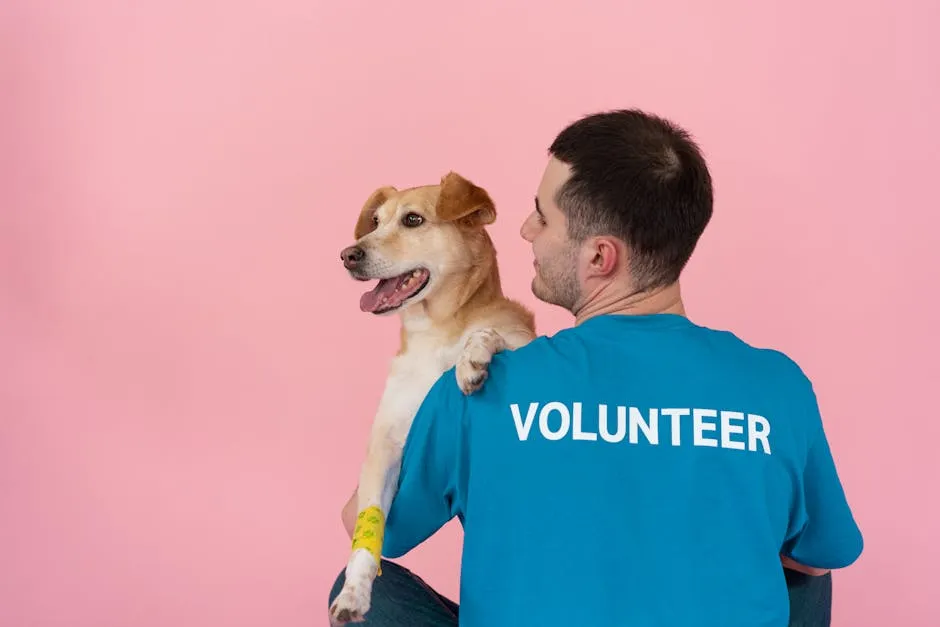
Adopting a rescue dog comes with countless emotional rewards. Imagine coming home to a wagging tail and a happy face! These dogs often show immense gratitude and love. Financially, adopting can also be more affordable than purchasing a purebred dog. Most rescue organizations charge a nominal fee, which usually covers vaccinations and spaying or neutering. Additionally, your choice to adopt directly helps reduce the number of abandoned animals. Each adoption means one less dog in a shelter, making room for another dog in need.
Adopting a rescue dog is a noble choice that provides a loving home to a dog in need. dog rescue adoption
The Adoption Process
How to Start the Adoption Journey
Ready to adopt? Start by researching local shelters and rescue organizations. Visit their websites to understand available dogs. Each organization has specific adoption requirements, so be sure to check those out. It’s crucial to consider your lifestyle and family dynamics. Do you have kids? Other pets? Think about how a new dog will fit into your life. This reflection ensures a smooth transition for both you and your future furry friend.

Application and Interview Process
When you apply to adopt a rescue dog, expect a thorough process. First, you’ll fill out an application form. It asks about your lifestyle and previous experience with pets. After your application is reviewed, a home visit will be scheduled. This visit helps ensure your home is a safe space for a dog.
During the interview, be prepared to discuss your expectations and concerns. It’s crucial to be honest about your situation. Transparency helps the rescue organization match you with the right dog. Remember, this process aims to benefit both you and the dog. An open dialogue fosters trust and leads to successful placements, ensuring a happy future for everyone.
Preparing for Your New Dog
Before bringing your new dog home, gather essential items. Start with quality dog food that meets their dietary needs. Consider the Blue Buffalo Life Protection Formula Adult Dog Food for a nutritious start!
You’ll also need a comfortable bed for them to rest. Don’t forget toys to keep them entertained and stimulated. One fantastic option is the KONG Classic Dog Toy, a timeless favorite for dogs of all ages.

Training and Integration
Basic Training for Rescue Dogs
Rescue dogs may come with behavioral challenges. Common issues include anxiety, jumping, or pulling on the leash. Basic training is essential to address these behaviors effectively. Start with consistency and clear commands to establish boundaries.
For training resources, consider books like Dog Training 101: Simple Techniques and Tips for Training Your Dog. Online courses, such as those on platforms like Udemy or Coursera, can also be helpful. Local obedience classes provide hands-on experience and socialization opportunities. Remember, patience is key. With time and effort, your rescue dog can become a well-behaved companion.

Socialization and Adjustment Period
Bringing a rescue dog home is a big step. It’s crucial to remember that your new furry friend may need time to adjust. Socialization plays a key role during this period. Patience is essential as your dog settles into their new surroundings.
Start by creating a calm environment. Limit exposure to loud noises and sudden movements. Let your dog explore their space at their own pace. Gradually introduce them to different areas of your home.
Routine is comforting for dogs. Establish a consistent schedule for feeding, walks, and playtime. This helps your dog feel secure. Positive reinforcement is also important. Reward good behavior with treats or praise. Consider giving them Greenies Original Dental Treats for Dogs to make training even more enjoyable!
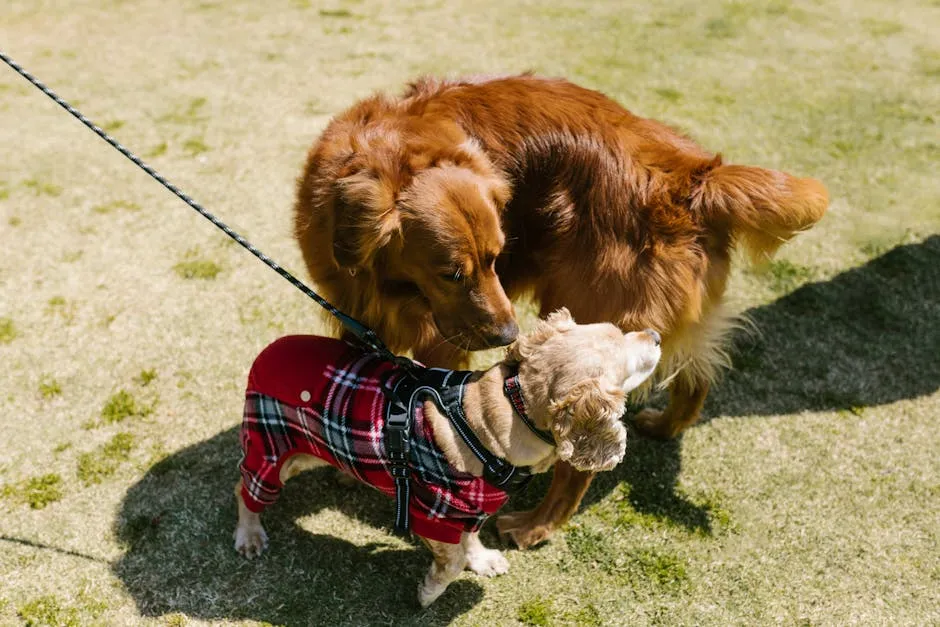
Encourage interactions with family members. Supervise these introductions to ensure comfort. If you have other pets, introduce them slowly. This fosters a peaceful cohabitation.
Lastly, consider puppy classes or socialization groups. These can help your dog learn proper behaviors while meeting other dogs. Remember, every dog is unique. Your patience and love will go a long way in helping them adjust.
Ongoing Support and Resources
Finding Support Networks
Adopting a rescue dog is a rewarding experience. However, ongoing support is vital. Look for local and online communities dedicated to rescue dog adopters. These groups often share valuable tips and resources. Websites like Petfinder and local shelter pages are great starting points.
Joining social media groups can also be beneficial. You can connect with other adopters, share experiences, and seek advice. Many of these communities offer training resources, health care advice, and behavioral support.

Don’t hesitate to reach out to local shelters. They often provide workshops and training sessions for new dog owners. This can enhance your knowledge and confidence as a pet parent.
Additionally, numerous online forums focus on specific breeds or rescue organizations. These platforms are perfect for sharing challenges and successes with like-minded individuals. Remember, you’re not alone on this journey.
Volunteer and Donate
Want to make a difference? Getting involved with local rescue organizations can be incredibly fulfilling. Volunteer opportunities are available in various capacities, from walking dogs to helping with adoption events. Your time and effort can significantly impact the lives of rescue dogs.
Donations, both monetary and in-kind, are equally important. Shelters often rely on community support for food, medical supplies, and shelter maintenance. Consider donating items like blankets, toys, or food. Every little bit helps. Speaking of toys, the Outward Hound Hide-A-Squirrel Puzzle Toy is a fantastic option for keeping dogs entertained!

Local rescue organizations often hold fundraising events. Participating in these events or even organizing your own can raise awareness and funds. Engaging with your community fosters connections that benefit rescue dogs in need.
Additionally, your support can inspire others to adopt or volunteer. Spreading the word about your positive experiences encourages more people to join the cause. Together, we can change the lives of many dogs waiting for their forever homes.
Conclusion
Adopting a rescue dog is a life-changing experience. We’ve discussed the importance of rescue organizations and the diverse dogs needing homes. Each adoption story is unique and filled with love. Remember, you not only save a life but gain a loyal companion.
Choosing to adopt a rescue dog is a noble choice. It provides a loving home to a dog in need. Are you ready to take that first step? Visit your local shelter or rescue organization today. Your new best friend awaits, and the joy they bring is immeasurable. To help with the transition, you might also consider a Dog First Aid Kit for peace of mind.
FAQs
What should I consider before adopting a rescue dog?
Think about your lifestyle and daily routine. Do you have enough time for a pet? Consider your family dynamics too. Will your kids be gentle and responsible? Also, assess if your current pets can comfortably coexist with a new dog.
Are rescue dogs more difficult to train than puppies?
Not necessarily! Rescue dogs can be just as eager to learn as puppies. While some may have past experiences that affect their training, many are quick learners. With patience and consistency, they can thrive.
What costs are associated with adopting a rescue dog?
Expect adoption fees, which usually cover vaccinations and spaying/neutering. Additionally, budget for regular vet check-ups, food, toys, and grooming. These costs can add up but are often less than buying a purebred dog.
Can I adopt if I have other pets?
Yes, you can! Many shelters assess compatibility with existing pets. Gradual introductions are essential for a smooth transition. This approach helps everyone feel comfortable and secure in their new family dynamic.
What if my adopted dog has health issues?
Many rescues provide support and resources for health concerns. Regular vet visits and proper care can help manage these issues. Don’t hesitate to reach out to your shelter for guidance and assistance.
Please let us know what you think about our content by leaving a comment down below!
Thank you for reading till here 🙂
All images from Pexels