Introduction
Thinking about a raw diet for your pet? You’re not alone. Many pet owners are making the switch to raw food, believing it’s healthier and more natural. However, with this diet comes a crucial responsibility: proper storage. If raw food isn’t stored correctly, it can lead to spoilage and health risks for your furry friend. This article serves as your comprehensive guide to raw diet storage, ensuring your pet’s food remains fresh and safe.
Understanding the importance of a raw diet can help you make informed decisions for your pet’s nutrition. raw diet is a great way to start!
Summary and Overview
A raw diet mainly consists of uncooked meats, bones, and organs. Many pet owners choose this diet to provide their pets with better nutrition. This type of diet can improve digestion and boost energy levels.
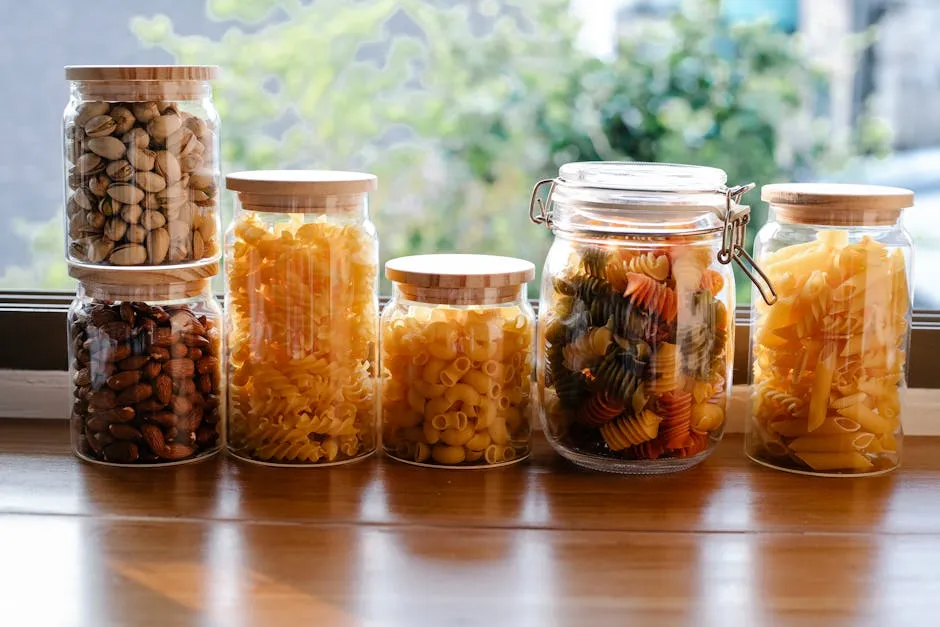
Common types of raw pet food include frozen and freeze-dried options. Frozen food is typically stored in the freezer, while freeze-dried food can be kept in a pantry. To keep your freeze-dried food fresh and safe, consider using Pet Food Storage Containers. They’re perfect for keeping your pet’s food fresh and free from pests!
Storing raw pet food presents unique challenges. You need to maintain freshness and prevent bacterial growth. Bacteria can thrive if food is stored improperly, leading to potential health issues. This is why understanding raw food safety is essential.
Maintaining food safety is critical when feeding your pet. Learn more about raw food safety for dogs to ensure their health.
In this article, we’ll cover essential best practices for storing raw pet food, focusing on safety, freshness, and easy handling. Let’s dive into the details!
Understanding Raw Diets
What is a Raw Diet?
A raw diet consists of uncooked ingredients like meat, bones, and organs. It’s designed to mimic what dogs and cats would eat in the wild. Unlike cooked diets, which involve heat processing, raw diets retain the natural nutrients found in the food.
The key difference lies in the cooking process. Cooking can destroy certain nutrients, while raw feeding preserves them. However, it’s crucial to balance the diet properly. Your pet needs a mix of proteins, fats, and essential nutrients to thrive.
By feeding a raw diet, you’re providing your pet with high-quality nutrition. This can lead to better overall health and fewer allergies. Just remember, proper storage is key to keeping these benefits intact! If you’re looking for a great way to portion out your pet’s meals, check out Pet Food Portion Control Containers. They help ensure your furry friend gets just the right amount every time!
Storage Basics
General Storage Guidelines for Raw Diets
When storing raw pet food, temperature is crucial. Keep your freezer at 0°F (-18°C) or lower. This prevents the growth of harmful bacteria. For short-term storage, raw food can last up to five days in the fridge after thawing. Always use a thermometer to monitor temperatures. A Digital Food Thermometer can be a lifesaver in ensuring your pet’s food is always at the right temperature!

To avoid spoilage, portion out meals in advance. Divide into serving sizes before freezing. Use airtight containers to keep food fresh and safe. Make sure to label each container with the date and contents.
One of the biggest concerns is cross-contamination. Store raw pet food separately from cooked foods to prevent mixing. Ideally, use different shelves in the fridge or a dedicated freezer for pet food. This practice minimizes health risks for both pets and humans.
Freezing Raw Pet Food
How to Properly Freeze Raw Food
Freezing raw pet food requires careful packaging. Use airtight, leak-proof containers or vacuum-sealed bags. This prevents freezer burn and maintains food quality. Make sure to remove as much air as possible before sealing. A Vacuum Sealer Machine is perfect for this job, ensuring your pet’s food stays fresh and free from freezer burn!
Organizing your freezer is essential. Designate a specific shelf for raw pet food. Stack containers vertically if space is limited. This not only saves room but also makes finding food easier.
Label each container clearly, noting the contents and date. This helps you manage your supply and ensure freshness. Remember to follow the recommended thawing methods after freezing. Always thaw food in the refrigerator or cold water, never at room temperature.
Thawing Raw Pet Food
Thawing raw pet food is crucial for safety and quality. The best method is to thaw in the refrigerator. This keeps food at a safe temperature. It’s recommended to use thawed food within two days. If you’re short on time, you can also submerge the sealed package in cold water. Avoid thawing at room temperature, as this promotes bacterial growth.
After thawing, be mindful of spoilage signs. Look for off smells, discoloration, or a slimy texture. If you notice any of these, it’s best to discard the food. Remember, keeping your pet’s food fresh is essential for their health. Proper thawing helps maintain the nutritional value while preventing harmful bacteria from developing.
Refrigerating Raw Pet Food
Guidelines for Refrigerated Storage
Once thawed, raw pet food should be stored in the refrigerator. Generally, use thawed food within 3 to 5 days. The ideal refrigerator temperature is between 34°F and 40°F. This range slows bacteria growth and keeps food safe. To help keep track of freshness, consider using Pet Food Labels. They can be a fun way to keep everything organized!
To minimize spoilage, store raw food in airtight containers. This prevents contamination and keeps the food fresh longer. Label the containers with the date to track freshness easily. Always place raw food on the bottom shelf to avoid drips onto other foods. Following these guidelines ensures your pet’s meals remain nutritious and safe to eat.
Hygiene and Safety Practices
Handling Raw Food Safely
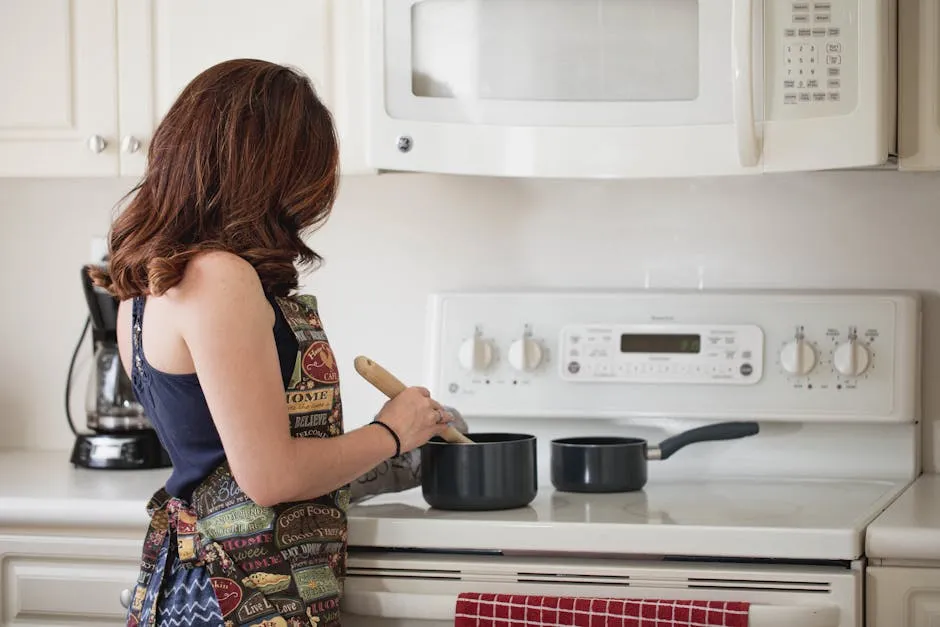
When dealing with raw food, personal hygiene is paramount. Always wash your hands before and after handling raw ingredients. This simple step can significantly reduce the risk of contamination.
Cleaning your utensils and surfaces is equally important. Use hot, soapy water to wash cutting boards, knives, and any other tools that come into contact with raw food. A dedicated cutting board for raw food can further minimize risks. You might also want to consider using Pet First Aid Kits to ensure you’re prepared for any mishaps!
Safe storage practices also play a crucial role. Store raw food in airtight containers to prevent cross-contamination. Label containers with the date of storage to keep track of freshness. Always keep raw food separate from other food types, especially cooked items. This will help maintain a safe kitchen environment for everyone.
Recognizing Spoiled Food
Identifying spoiled raw food is essential for keeping your pet healthy. Key indicators include unpleasant smells, unusual textures, and discoloration. If you notice anything that seems off, it’s best to err on the side of caution and discard the food.
When disposing of spoiled food, place it in a sealed bag before throwing it out. This prevents odors from spreading and keeps pests away. Regularly check your storage for any food that may have gone bad. A quick visual inspection can save you from feeding your pet spoiled food, ensuring their meals are both safe and nutritious. And speaking of keeping things tidy, consider using Pet Waste Disposal Bags for easy cleanup!
Frequently Asked Questions (FAQs)
How long can I keep raw pet food in the freezer?
Raw pet food can typically last in the freezer for about 6 to 12 months. However, this can vary based on the type of food. For example, poultry tends to spoil faster than beef. Always check the packaging for specific dates and store it properly to maintain quality.
Is it safe to refreeze raw pet food once it has thawed?
Refreezing thawed raw pet food is generally not recommended. Once thawed, bacteria can multiply, increasing the risk of foodborne illness. If you must refreeze, ensure it has been thawed in the refrigerator and hasn’t been left out for more than two hours.
What should I do if my raw pet food smells bad?
If your raw pet food emits a foul odor, it may be spoiled. Look for other signs like a change in color or texture. If you suspect spoilage, discard it immediately. Seal it in a bag to prevent odors from spreading and dispose of it safely.
Can I store raw pet food in the same fridge as my human food?
Yes, but with precautions! Always store raw pet food on the bottom shelf to prevent drips onto other foods. Use separate, airtight containers to minimize cross-contamination. Label everything clearly to avoid mix-ups.
What containers are best for storing raw pet food?
For raw pet food, choose airtight containers made from glass or BPA-free plastic. Vacuum-sealed bags are great for freezing. Ensure the containers are clean and free from any residues to maintain freshness and prevent contamination.
Conclusion
Storing raw pet food safely is vital for your pet’s health. Remember to keep food at the right temperatures and use proper containers. By following these best practices, you ensure your pet’s meals are fresh and nutritious. For more tips on raw feeding benefits, follow our blog! And don’t forget to treat your pet with some Dog Treats for Raw Diets once in a while!
Please let us know what you think about our content by leaving a comment down below!
Thank you for reading till here 🙂
All images from Pexels